Internationally recognized author & educator for professionals, parents, and kids
Uncategorized
Building Cultures of Kindness in Schools
011 years
by signewhitson
in Uncategorized
During April, I put my elementary school-aged students on a SECRET AGENT MISSION: to show random acts of kindness to a designated classmate, without revealing their identity. The rules were simple:
- No buying gifts
- No having a parent bake cookies
- This mission is all about simple acts of consideration that come from the heart.
- The secret agents get to reveal their identity at the end of the month.
My purpose is to show the kids how small, everyday acts can make a big difference in our school.
The good news, now that it’s reveal time: they really get it!! Here are just a few of the terrific things they have done:
“I made a picture for her.”
“I asked if she needed help carrying her stuff to the bus.”
“I told him he did a good job in Music.”
“I held the door for the Kindergarteners”
“I complimented her dress.”
“I asked him to play when he was all alone at recess.”
“I shared my snack when she forgot hers.”
It’s unanimous: these simple things have made the kids feel “great!” So much goodness around here.
No act of kindness is ever wasted.

Mistake Cake
011 years
by signewhitson
in Uncategorized
One of the best things about Facebook is the opportunity to become better acquainted with people you only knew from a distance. This weekend, thanks to a burst of high school reunion photos, I had the chance to connect with a woman who, I am learning, is extraordinary! I wish I had known her better way back when, but here’s a slice of how she looks at life and lifts up those around her. I think I want to be her when I grow up!
Mistake Cake (by Jennie Osborne Burke)
Someone around here made a mistake.
I think it’s important to talk about mistakes. I like for the whole gang to know about it. We talk about what happened, and how we can help the person that made the mistake.
The person that made the mistake does not feel shame, or a reason to hide. Instead, they receive compassion. They know that they aren’t the first (or last) person in the family to make a mistake. They can articulate why the mistake happened, and how to prevent it from happening again. The siblings pitch in to help their loved one doesn’t make the same mistake twice.
Instead of shame or aggression, there is responsibility, ownership and a plan.
And we get to eat cake.

Looking Beyond Behavior to Get to Know a Child’s Real Needs
011 years
by signewhitson
in Uncategorized
One of the greatest strengths of LSCI training is how it teaches adults to get to know “the inside kid.” To look beyond behavior, to take time to make a child feel heard and understood, and to ask about the thoughts and feelings. This intervention reminds me of something an LSCI-certified professional would do!

New Review of 8 Keys to End Bullying posted on PsychCentral
011 years
by signewhitson
in Uncategorized
A school playground aide sees third-grader Riley grab hold of classmate Liza’s scarf and choke her with it. Riley is subsequently viewed as the bully. But is there more to the story?
What the aide hasn’t witnessed is the endless ridicule Riley has experienced from Liza and Liza’s best friend, Jada. Liza and Jada have learned they can provoke emotional outbursts from Riley — a girl who has been diagnosed with Asperger’s Syndrome — through constant social exclusion. Riley is a “bully-victim,” a young person who can be aggressive toward others but who can also be a target for bullying. She serves as a reminder that the culture of bullying is far more pernicious than we might realize.
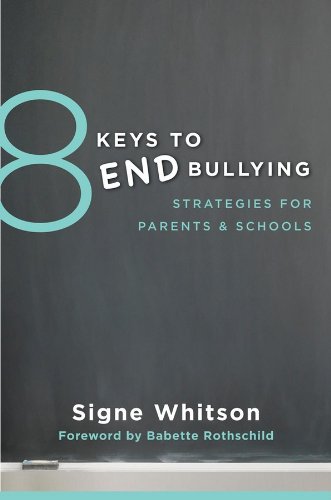
It’s clear that bullying’s nuances do not elude Signe Whitson, a social worker and school counselor who writes about Riley and others in 8 Keys to End Bullying: Strategies for Parents & Schools. In this comprehensive book, Whitson argues with passion and clear-eyed conviction for various methods by which we can create safer and healthier learning environments.
Refreshingly, Whitson doesn’t build her case on untested anti-bullying advice, but instead takes a sledgehammer to many long-held myths by drawing upon real research. For example, Whitson points out, children are frequently told to ignore verbal bullying, but the literature shows this to be one of the least effective methods available. And bullies are often not driven by insecurity, as is commonly portrayed in the movies, but by a drive to increase their social status, Whitson writes.
From Whitson’s realistic understanding of student dynamics comes a practical set of strategies to reduce bullying in schools. Click here to read more about these strategies and see the full review from PsychCentral.
Bringing an End to Bullying with One Small Act Each Day
011 years
by signewhitson
in Uncategorized
If you’ve ever attended any of my Bullying Prevention presentations, you know I believe that it’s the everyday acts of kindness and humanity that have a bigger impact on bringing an end to bullying than any time-consuming, finger-wagging, program or policy. Here’s a great example of one student’s “One Thing” that made all of the difference for him and for his school:

Holiday Gifts for Teachers and Counselors to Promote Bullying Prevention
011 years
by signewhitson
in Uncategorized
Looking for a truly useful gift for your child’s teacher or counselor? Check out my books, filled with ready-to-use social-emotional lessons and information about improving school culture in order to bring an end to bullying! Available with FAST SHIPPING from amazon.com!
http://www.amazon.com/Keys-End-Bullying-Strategies-Parents/dp/0393709280/ref=sr_1_1?s=books&ie=UTF8&qid=1418741052&sr=1-1&keywords=8+keys+to+end+bullying+strategies+for+parents+%26+schools

9 Ways Parents Can Support Kids After Bullying and Social Exclusion
011 years
by signewhitson
in Uncategorized
In their younger years, they were inseparable. They begged for playdates, planned out sleepovers, coordinated afterschool activities, and just seemed to find genuine joy in each other’s company. It was a match made in heaven, you observed, and you felt so lucky that your child had found such a positive friendship so early on in life.
Then, things changed. Seemingly overnight. One day, you are cajoling your tween to take a break from her 3-hour texting marathon with her bestie, and the next you notice that her cell phone suddenly sounds like radio silence.
Your daughter is devastated by this abrupt cut-off. You watch as she desperately tries to figure out why her friend has stopped responding to texts and how come none of the kids at her lunch table will talk to her anymore. But she can’t seem to glean any understanding of the cause. She only knows with certainty that nothing is the same.
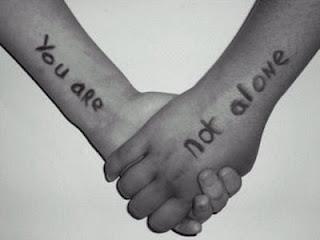
What can you do for your child when he or she is on the receiving end of a sudden deep freeze from former friends? Read on for 9 strategies parents can use to support their children after bullying and social exclusion:
8 Ways to Teach Compassion to Kids
011 years
by signewhitson
in Uncategorized
While schools in the U.S. focus intensively on test scores, experts agree that social-emotional competency (demonstrating skills such as empathy and compassion) is a far better predictor of adult success. Read (and share, please) the article below to find simple ways to cultivate compassion in your kids.