Internationally recognized author & educator for professionals, parents, and kids

signewhitson
This user hasn't shared any profile information
Home page: https://www.signewhitson.com
Posts by signewhitson
Why Breaking Out of Your Comfort Zone is Important
010 years
by signewhitson
in Uncategorized
This morning, both of my kids are being challenged to do something outside of their comfort zone. The Mama bear in me wants to rush in and rescue them to save them from feeling fear. The loving Mama in me knows that these challenges are well within my girls’ abilities and will equip them with important life skills–including the confidence that they can face challenges head on. Breathe, Mama, breathe.
The Most Important Thing About Bullying–in 7 Words or Less
010 years
by signewhitson
in Uncategorized
While I soak in as much Summer as I can before the 2016-17 school year begins, I am thinking about my own mantras of School Counseling—the most important things I can offer my students to make them each feel heard, understood, safe, and valued. What follows are my Bullying Prevention mantras (along with their slightly longer explanations.)
In One Word: EMPATHIZE
Bullying is a purposeful act of cruelty. Kids who bully show a lack empathy for the feelings and experiences of their targets. Parents and professionals play a key role in cultivating empathy in all kids, especially those who are most likely to get caught up in moments of social whack-a-mole, knocking others down just to pull themselves up the school social ladder.
In Two Words: WORDS MATTER
Okay, I already previewed this one, didn’t I? At my elementary school, many of the students call me Queen Signe. Some of them do it because they like to be silly and others do it just for fun but most of the kiddos I work with use this term because our comprehensive, Every Action/Every Day Bullying Prevention strategy means that we are always talking about the fact that words matter. The way we speak to each other, including the names we use and the words we choose, all have a huge impact on how we feel about ourselves and how we enjoy our time at school.
Important point: The same applies to how we communicate through technology. Teach kids that the words they text, tweet, send, and post should be used with the same amount of care as the words that they say to someone in person.
For the rest of my mantras, please check out my article on Psychology Today:
LSCI Training offers trauma-informed intervention for students
010 years
by signewhitson
in Uncategorized
“At Lincoln, the teachers and staff follow a few deceptively simple rules: Don’t take anything the student says personally and don’t mirror their behavior with an outburst of your own. The teachers give students time to calm down, often in the principal’s office or a special “quiet room.” Later, they inquire about what might be bothering them and ask if they want to talk about it.
Such seemingly straightforward techniques are actually based on hard science. In contrast to the fight-or-flight response triggered by perceived threats, seemingly minor acts of kindness, such as a few caring words from a teacher or a quick hug, can activate a cascade of Oxytocin, sometimes called the “love hormone.” In highly traumatized kids, such simple acts can have an outsized impact.
Kelsey says she was “shocked” when, after precipitating a violent fight with another girl during her freshman year, she wasn’t immediately arrested and kicked out of school. Instead, she went to the principal’s office to cool off. “I was given a bottle of water, a gentle pat on the back and time to reflect on my behavior,” recalled Kelsey. “Even the school cop talked to me calmly and helped me discuss what I had done.”
There were consequences: Kelsey was suspended for three days and charged with assault. But she never got into a fight again. “I saw that there were people in the building who cared about me and realized I could have gone to any of them to resolve the issue without a fight,” she said.”
Read on for more of this incredible article from The Atlantic. THIS is what LSCI practitioners have been doing for decades–allowing kids to Drain Off their intense emotions first, THEN using specific strategies to help them talk about their problems and learn new behaviors. THIS is the work that drives me and the reason I am so proud to be affiliated with the LSCI Institute!
To learn more, email me or visit www.lsci.org today to get certified in the skills of LSCI before the new school year begins!
http://www.theatlantic.com/education/archive/2016/07/teaching-traumatized-kids/490214/

What Not to Say to an Anxious Child
010 years
by signewhitson
in Uncategorized
In LSCI training, we teach professionals and parents the basics about how kids’ brains respond to stressful situations. This blog post provides a great overview of this brain-based way of understanding how little people are overcome by emotions–and gives clear, easy-to-implement advice on what NOT to say when a child is overwhelmed by fear or anxiety. It also gives great advice for words and phrases that are truly helpful in allowing a young person’s brain to calm down so that they can think more clearly and cope with their feelings. Definitely worth a read!
http://www.huffingtonpost.com/renee-jain/5-phrases-to-avoid-saying_b_8183684.html

My Brain Made Me Do It! The Basics of Neuroscience for Kids
010 years
by signewhitson
in Uncategorized
In my newest book, The 8 Keys to End Bullying ACTIVITY BOOK for Kids & Tweens, I include activities that bring the basics of neuroscience to a young person’s level. My goal is to help kids understand how really close to the truth it is when they say, “My brain made me do it!”
Read on to hear about a real-life encounter I had this past year with one of my students, where I was able to effectively teach her about her brain and help her understand the importance of using specific strategies for calming down during stressful situations, so that she could always let her “logical” brain be in charge, instead of having her “emotional” brain take over.
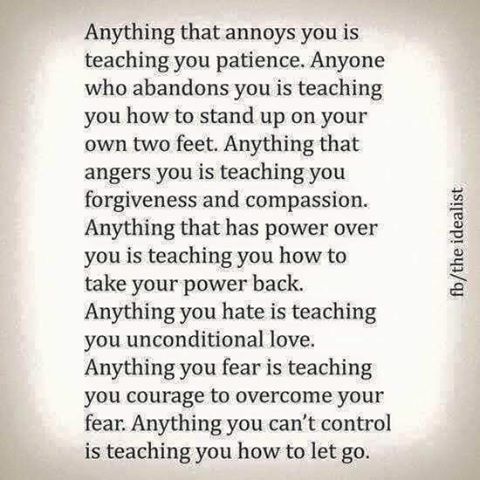
“Anything you fear is teaching you courage…” and other important Parenting moments
010 years
by signewhitson
in Uncategorized
This morning, both of my kids are being challenged to do something outside of their comfort zone. The Mama bear in me wants to rush in and rescue them to save them from feeling fear. The loving Mama in me knows that these challenges are well within my girls’ abilities and will equip them with important life skills–including the confidence that they can face challenges head on. Breathe, Mama, breathe.
What to Do About Students Who Change Your Class Chemistry
010 years
by signewhitson
in Uncategorized
Education Week writer Larry Ferlazzo reached out to me and three other Education & Mental Health professionals to help respond to this reader’s question:
One student can change the chemistry of whole class. How do you bring balance to the Force in your class?
Here’s my response:
A sad truism about classroom dynamics is that it is far easier for one negative student to bring down an entire group of peers than it is for one positive student to lift the class up. As a teacher, what can you do in your classroom when that ‘one bad apple’ threatens to spoil the whole bunch?
Prioritize Connections with Students
In this age of technology and testing, it is far too easy to regard students as items on a to-do list rather than as human beings who only succeed academically when they feel safe emotionally. Make time to genuinely connect with each student in your classroom:
- Greet them by name each day.
- Learn their strengths.
- Know their families.
- Ask about their feelings.
- Notice changes in their behavior.
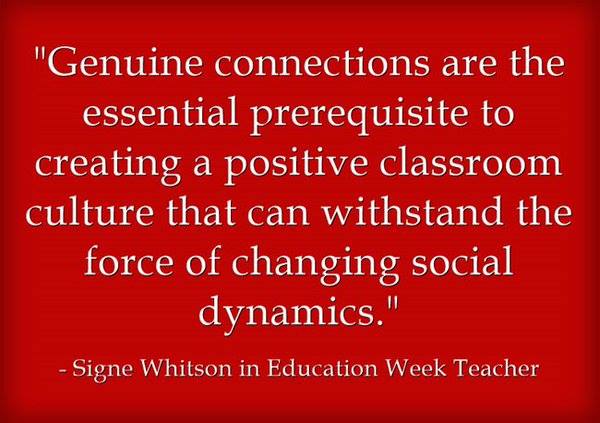
Genuine connections are the essential prerequisite to creating a positive classroom culture that can withstand the force of changing social dynamics.
Role Model Kindness
Rodkin & Hodges (2003) cite evidence that when teachers are warm and caring to their students, the students, in turn, become less rejecting of their peers. Be the standard bearer of warmth and kindness in all of your interactions with young people. Smile often. Make abundant eye contact. Listen. Be there. Show that you care. This is a real “do as I do” opportunity where your actions are the model for how your students treat each other.
Intervene Quickly & Briefly
Many adults tell me that when they witness cruelty in their classrooms, they freeze up and don’t know what to do or say. I tell them that the most effective way to intervene is also the easiest (not to mention the most time-effective.) Use brief messages, such as:
Check out the full article here:
How to Be Angry Used in Homeschooling Program
010 years
There’s nothing that an idealistic, trying-to-change-the-world-one-child-at-a-time, do-gooder like me values more than hearing that their work is truly making a difference for others. Yesterday, Vanessa Reinelt, a homeschooling mom of two and teacher of 4 other children, sent me this music-to-my-ears feedback:
We have been working through your “How to Be Angry” curriculum and already are seeing huge benefits. Our children (ages 10-13) are already identifying their anger and striving to express their anger assertively! I have looked at many programs and resources trying to find an appropriate one to teach the kids about emotional and social health. None can compare to the depth and quality that yours provides. I 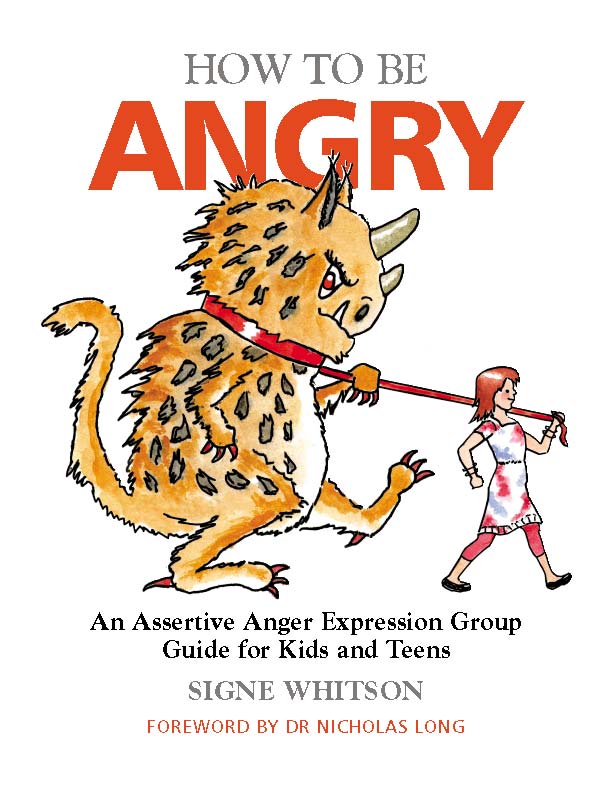 absolutely love the format you use. Teaching the 4 types of Anger Expression and with the healthiest (Assertiveness) as the last module. I genuinely believe if we teach children about expressing…emotions in healthy ways, the human race will stand a chance in reaching the next millennium.
Thanks again for your time Ms. Whitson. You are truly a credit to your profession. Thank you for your amazing book. Your work is making the world a better place.
Thank YOU, Vanessa, for prioritizing the social and emotional health of kids!
If you’ve used How to Be Angry, Friendship & Other Weapons, The Angry Smile, or 8 Keys to End Bullying with students, please let me know how the experience has been for you!
